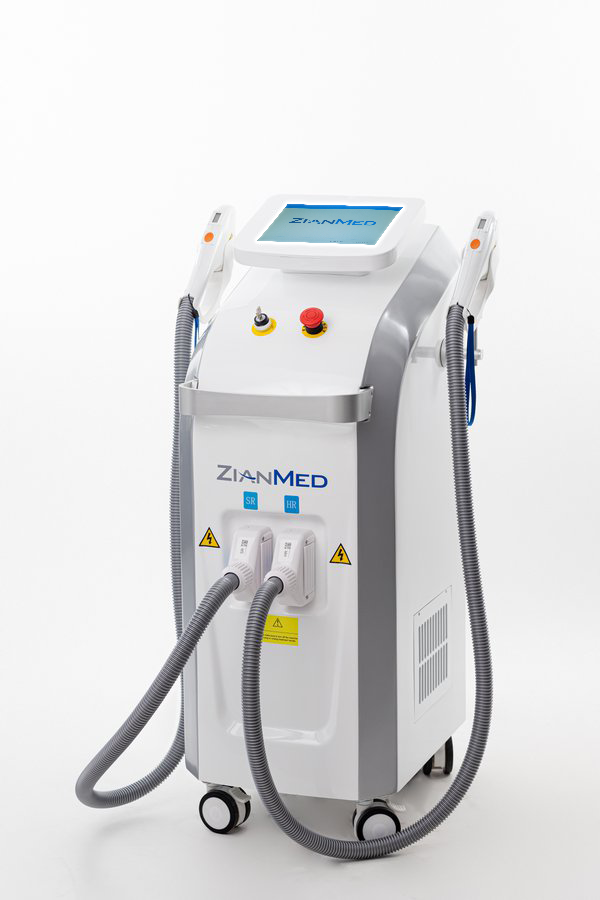
IPL vs BBL: How to Choose the Right Light-Based Technology for Your Practice
This topic comes up often, and it is worth discussing because there is a lot of confusion around IPL vs. BBL in the aesthetic industry.
Patients often search for these terms as if they are completely different treatment categories. Providers may also compare them as though one is automatically superior to the other. The reality is more nuanced.
The short answer is this: IPL and BBL are fundamentally part of the same light-based technology category.
IPL, or Intense Pulsed Light, is a broad category of non-laser technology that uses high-intensity pulses of light to target skin concerns such as pigmentation, redness, vascular lesions, sun damage, acne, and signs of photoaging. IPL devices typically use flashlamps and filters to deliver selected ranges of light energy into the skin. Unlike a laser, which uses a single wavelength, IPL emits multiple wavelengths of light that can be adjusted or filtered depending on the treatment goal.
BBL, or BroadBand Light, is Sciton’s branded pulsed-light platform. Sciton itself describes BBL as using high-intensity pulsed light similar to IPL, while emphasizing its design innovations, precision, customization, and treatment experience.
So, when people ask, “Is BBL the same as IPL?” the most practical answer is:
BBL is an advanced branded form of pulsed-light/IPL-style technology, but not all IPL systems are built like BBL.
The Real Difference: The Name Is Less Important Than the Engineering
The most important distinction is not whether a device is marketed as BBL or IPL. The more important question is:
How is the light being delivered, filtered, cooled, and controlled?
That is where outcomes, patient comfort, treatment speed, and safety profile can vary significantly from one system to another.
A sophisticated filtered IPL platform can produce excellent results when used properly. At the same time, Sciton deserves credit for continuing to push the category forward with BBL HERO and BBL HEROic. Sciton’s HEROic platform, for example, includes proprietary Intelligent Control, Skin Positioning System technology, automated pulse placement, and multiple smart filters claimed to improve treatments.
In other words, BBL is not “just a name,” but IPL is also not automatically inferior. The details of the platform matter.
Advanced Filtered IPL:
The best light-based systems use filters to narrow and refine the wavelengths being delivered into the skin. This allows the provider to better target specific chromophores, such as melanin in brown pigmentation or hemoglobin in vascular redness.
For example the Allegra IPL’s Advanced filtered IPL systems offers:
- More selective wavelength delivery
- Better targeting of pigment, redness, and vascular concerns
- Less unnecessary heat outside the desired treatment range
- Improved comfort when paired with effective cooling
- Better customization for different skin concerns
- A more controlled safety profile when used by trained providers
This matters because aesthetic light treatments are not simply about “how much power” a device has. They are about delivering the right energy, at the right wavelength range, for the right indication, into the right skin type.
Limited or Poorly Filtered IPL:
Older, lower-quality, or less refined IPL systems may emit a very broad wavelength range with less precision. For example, a device may produce broad output across a large spectrum, such as visible and near-infrared light, without enough refinement for a specific target.
With less selective light delivery, more energy may be absorbed outside the intended target. That can lead to:
- More unnecessary heat buildup
- Greater discomfort during treatment
- Less treatment specificity
- Higher risk of unwanted side effects
- Less predictable clinical outcomes
This is why providers should avoid comparing devices based on the words BBL or IPL alone. Two IPL systems can perform very differently depending on the filters, pulse structure, cooling, power delivery, software, handpiece design, and provider training.
What Can IPL vs BBL-Type Treatments Address?
Both IPL and BBL-type treatments are commonly used for non-invasive skin rejuvenation. Depending on the device, settings, and patient selection, these treatments may help improve the appearance of:
- Sun damage
- Brown spots and pigmentation
- Facial redness
- Rosacea-related redness
- Broken capillaries and visible vessels
- Uneven skin tone
- Acne-related concerns
- General photoaging
- Skin clarity and brightness
The American Academy of Dermatology notes that laser and light-based treatments can be part of a rosacea treatment plan, particularly for visible blood vessels and redness, though outcomes depend heavily on patient factors and provider expertise.
Is BBL Better Than IPL?
Not automatically.
A better question is: Which system offers the right combination of wavelength control, cooling, power, speed, usability, treatment versatility, and value for your practice?
Sciton’s BBL technology is widely respected and is one of the premier light-based technologies in the aesthetic market. Their HERO and HEROic platforms have improved treatment speed, ergonomics, automation, and patient experience. That performance, however, comes with a premium price tag.
For many practices, especially med spas, dermatology clinics, and aesthetic providers looking to expand their treatment menu, there may be excellent filtered IPL systems that deliver strong BBL-type results without requiring Sciton-level capital investment.
The key is not chasing a name. The key is understanding the technology.
What Providers Should Consider Before Investing
When comparing BBL, IPL, or any laser systems, providers should evaluate:
- Wavelength
- Pulse control
- Cooling system quality
- Ease of use and training requirements
- Treatment speed
- Indications and treatment menu flexibility
- Consumables and maintenance costs
- Service support
- Financing, rental, lease, or purchase options
- Overall return on investment
A premium brand can be an excellent choice for the right practice. But it is not the only path to strong clinical and financial performance.
The Takeaway
The conversation should not simply be BBL vs. IPL.
The better conversation is:
Does it make sense for your patients, your treatment menu, and your business model?
BBL is a branded, advanced pulsed-light platform with a strong reputation. IPL is the broader technology category. Within that category, there are basic systems, outdated systems, and highly sophisticated filtered IPL platforms capable of producing impressive results in trained hands.
For providers, the smartest decision is to look past a label and focus on the engineering, treatment capabilities, provider support, patient experience, and value proposition.
At ZianMed, we help aesthetic practices evaluate light-based technologies and access equipment through flexible rental, lease, and purchase options. Whether you are comparing BBL vs IPL, or advanced laser systems, the goal is the same: choosing technology that helps you deliver excellent patient outcomes while supporting sustainable practice growth.
👉 Schedule a No-Obligation Strategy Call