Can IPL Help Speed Up the Appearance of Bruising After Surgery
Bruising is a common concern after many cosmetic, dermatologic, and surgical procedures. Whether a patient has undergone eyelid surgery, facial cosmetic surgery, injectable treatments, or another aesthetic procedure, visible bruising can affect comfort, confidence, and overall satisfaction during the recovery process.
While bruising is a normal part of the body’s healing response, providers are often asked whether there are safe ways to help reduce the appearance of discoloration more quickly. One light-based option that has been discussed in peer-reviewed literature is Intense Pulsed Light, commonly known as IPL.
IPL should not be viewed as a replacement for proper surgical recovery, wound care, or medical oversight. However, when used appropriately and after the treatment area has been medically cleared, IPL may serve as a useful adjunctive option to help improve the visible appearance of bruising and ecchymosis.
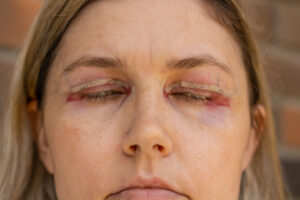
Understanding Bruising After Surgery
A bruise, also known medically as ecchymosis, occurs when small blood vessels are disrupted and blood leaks into the surrounding tissue. This can create visible discoloration that may appear red, purple, blue, green, yellow, or brown as the body gradually breaks down and clears the blood products.
After surgery or aesthetic procedures, bruising may be caused by:
- Tissue manipulation during surgery
- Injection-related vessel trauma
- Swelling and inflammation
- Patient medications or supplements
- Individual healing response
- The location and vascularity of the treated area
For most patients, bruising resolves naturally with time. However, because visible bruising can be one of the most noticeable signs of recovery, many providers look for ways to support the body’s natural clearing process while maintaining safety.
How IPL May Help With Bruise Resolution
The best light-based systems use filters to narrow and refine the wavelengths being delivered into the sIPL devices deliver broad-spectrum light energy through specific filters. Depending on the selected wavelength range, IPL can target certain chromophores in the skin, including pigment and vascular components.
In the case of bruising, the target is not the incision or wound itself. Instead, IPL is used to interact with blood-related chromophores, including hemoglobin and hemoglobin breakdown products within the visible bruise.
The goal is to gently heat and break down the discoloration associated with pooled blood under the skin. This may help the body clear the visible bruise more efficiently, improving the cosmetic appearance of the treated area during recovery.
It is important to make the distinction clear:
IPL does not “heal a surgical incision faster.”
Instead, IPL may help reduce the visible appearance of bruising once the area is stable and appropriate for treatment.
What Peer-Reviewed Literature Suggests
Older, lower-quality, or less refined IPL systems may emit a very broad wavelength range with less Several peer-reviewed publications have explored the use of light-based therapies, including IPL and pulsed-dye laser, for post-procedure bruising and purpura.
One particularly relevant study evaluated IPL therapy after eyelid surgery. In this study, IPL was used on one side of the face while the opposite side received sham treatment. The authors reported that IPL reduced postoperative ecchymosis compared with the untreated side.
Another published study discussed the use of IPL for bruising after dermal filler injections. Patients were treated with IPL within 24 to 48 hours after bruising appeared, and the study reported visible improvement in ecchymosis over the following days.
Additional peer-reviewed reviews on lasers and light sources for purpura have also discussed the concept of using selective photothermolysis to target hemoglobin and blood breakdown products. These articles support the idea that light-based devices may play a role in accelerating the visible clearance of bruising when used properly.
For providers, the key takeaway is that IPL has a reasonable scientific basis as an adjunctive tool for visible bruise management, especially in aesthetic and post-procedure settings.
When IPL May Be Considered
Both IPL and BBL-type treatments are commonly used for non-invasive skin rejuvenation. Depending on thIPL for bruising should be approached conservatively and only when medically appropriate. In post-surgical cases, providers should obtain clearance from the surgeon or supervising medical provider before treating the area.
IPL may be considered when:
- The surgical site is closed and stable
- There is no active bleeding
- There is no suspected hematoma
- There are no signs of infection
- The bruise is superficial and appropriate for light-based treatment
- The provider has selected settings appropriate for the patient’s skin type
- The patient understands that IPL is being used to improve the appearance of bruising, not to replace healing time
This type of treatment is most appropriate as a cosmetic recovery support tool, not as a medical treatment for surgical complications.
When IPL Should Be Avoided
IPL should not be used over an unstable surgical area or open wound. Providers should avoid treating bruising when there is any concern for delayed healing, active bleeding, infection, poor wound closure, or an expanding hematoma.
IPL should also be used with caution in patients with darker Fitzpatrick skin types, recent sun exposure, photosensitizing medications, or a history of post-inflammatory hyperpigmentation.
Provider judgment is critical. If there is uncertainty about whether the area is safe to treat, medical clearance should always come first.
Conservative Treatment Principles for Providers
When using IPL for bruising, the treatment goal should be gentle improvement of discoloration, not an aggressive tissue response.
A conservative provider approach may include:
- Using a vascular-focused IPL filter or setting
- Starting with lower energy settings
- Avoiding excessive heat buildup
- Avoiding treatment directly over fresh incisions
- Adjusting parameters based on skin type and bruise presentation
- Monitoring the endpoint carefully
- Educating the patient on realistic expectations
The desired endpoint is typically mild warmth or subtle vascular response, not blistering, crusting, purpura, or excessive erythema.
Patient Communication Matters
One of the most important parts of offering IPL for post-procedure bruising is explaining the treatment accurately.
Patients should understand that bruising is a normal part of recovery and that IPL may help reduce the visible discoloration more quickly in properly selected cases. However, results can vary based on the age of the bruise, skin type, depth of discoloration, location, and the patient’s natural healing response.
A clear patient explanation may sound like this:
“IPL may help improve the appearance of bruising by targeting blood-related pigment under the skin. The goal is to support faster visible clearance of discoloration once the area is medically stable. This treatment does not replace normal healing time or surgical aftercare, but it may help reduce the appearance of bruising during recovery.”
This type of language keeps the message professional, compliant, and easy for patients to understand.
Why This Matters for Aesthetic Providers
Modern aesthetic providers are expected to offer more than devices and treatments. Patients want education, guidance, and support throughout the entire treatment journey.
Understanding how IPL may be used for post-procedure bruising gives providers another way to support patient satisfaction during recovery. It also reinforces the value of IPL as a versatile platform that extends beyond traditional photofacial treatments.
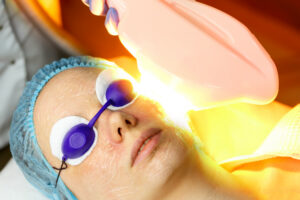
For med spas, dermatology practices, plastic surgery offices, and aesthetic clinics, IPL can be used for a variety of high-demand services, including:
- Photofacial treatments
- Pigmentation correction
- Vascular concerns
- Acne protocols
- Hair reduction
- Skin rejuvenation
- Post-procedure bruise appearance support when appropriate
This versatility is one of the reasons IPL remains a foundational technology in aesthetic medicine.
ZianMed’s Educational Approach to IPL Technology
At ZianMed, we believe providers should understand not only what a device does, but why it works. IPL technology is highly versatile, but successful outcomes depend on proper education, appropriate patient selection, and a clear understanding of how light interacts with tissue.
For bruising, the conversation should remain medically responsible. IPL may help improve the visible appearance of ecchymosis by targeting hemoglobin and related blood breakdown products, but treatment should only be performed when the area is stable and clinically appropriate.
This is exactly why provider education matters.
When practices understand the science behind IPL, they are better equipped to:
- Communicate confidently with patients
- Set realistic expectations
- Use conservative treatment parameters
- Recognize contraindications
- Improve patient experience
- Expand treatment offerings responsibly
IPL may be a valuable adjunctive option for helping reduce the visible appearance of bruising after certain aesthetic or surgical procedures. Peer-reviewed literature supports the use of light-based therapies, including IPL, for ecchymosis and purpura in selected cases.
The most responsible way to use IPL for postoperative bruising is to treat it as a cosmetic recovery support option, not a wound-healing treatment. Providers should avoid open or unstable tissue, obtain proper medical clearance when needed, and use conservative settings based on the patient’s skin type and clinical presentation.
For practices that already offer IPL, this is another example of how a well-understood light-based platform can provide meaningful value beyond traditional skin rejuvenation treatments. With the right education and clinical judgment, IPL can help providers deliver a more complete and supportive patient experience.
Peer-Reviewed Articles Referenced
- Linkov G, Lam VB, Wulc AE. The Efficacy of Intense Pulsed Light Therapy in Postoperative Recovery from Eyelid Surgery. Plastic and Reconstructive Surgery. 2016.
- Narurkar VA. Post Filler Ecchymosis Resolution With Intense Pulsed Light. Journal of Drugs in Dermatology. 2018.
- Morton LM, Smith KC, Dover JS, Arndt KA. Treatment of Purpura With Lasers and Light Sources. Journal of Drugs in Dermatology. 2013.
- DeFatta RJ, Krishna S, Williams EF. Pulsed-Dye Laser for Treating Ecchymoses After Facial Cosmetic Procedures. Archives of Facial Plastic Surgery. 2009.